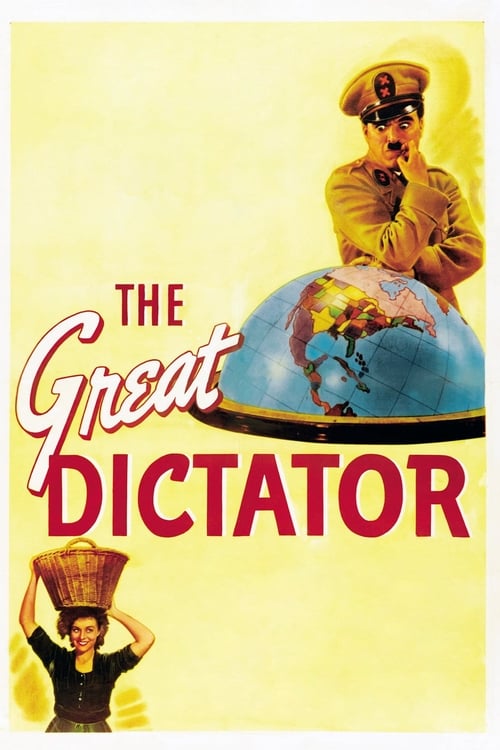
The Great Dictator (1940)
Once again - the whole world laughs!
1940-10-15 · Comedy, War · 125 min
Directed by Charlie Chaplin
Overview
Dictator Adenoid Hynkel tries to expand his empire while a poor Jewish barber tries to avoid persecution from Hynkel's regime.
Cast
-
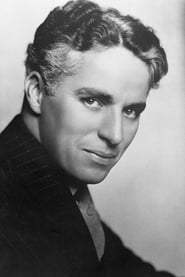 Charlie Chaplin
Adenoid Hynkel, Dictator of Tomania / A Jewish Barber
-
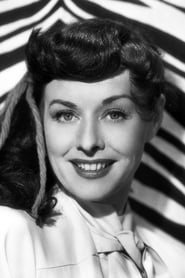 Paulette Goddard
Hannah
-
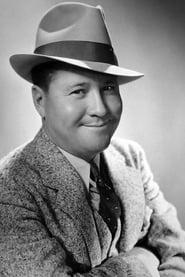 Jack Oakie
Benzino Napaloni, Dictator of Bacteria
-
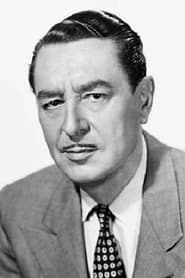 Reginald Gardiner
Commander Schultz
-
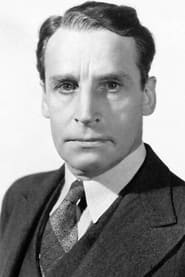 Henry Daniell
Garbitsch
-
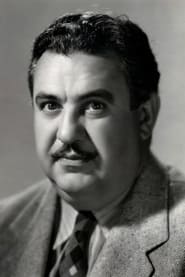 Billy Gilbert
Field Marshal Herring
-
 Grace Hayle
Madame Napaloni
-
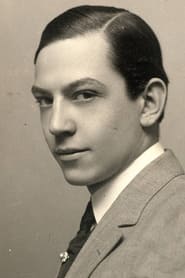 Carter DeHaven
Spook
-
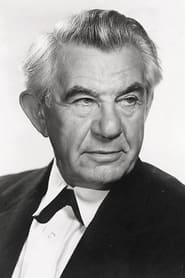 Maurice Moscovitch
Mr. Jaeckel
-
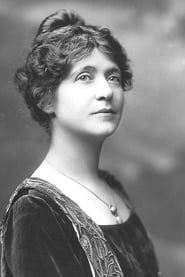 Emma Dunn
Mrs. Jaeckel
-
 Bernard Gorcey
Mr. Mann
-
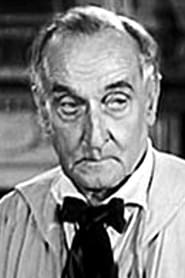 Paul Weigel
Mr. Agar
-
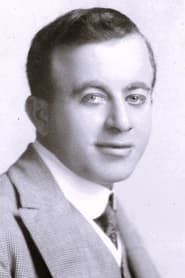 Chester Conklin
Barber's Customer
- Esther Michelson Jewish Woman
-
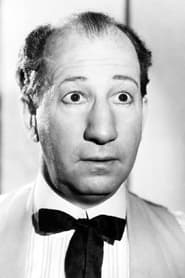 Hank Mann
Storm Trooper Stealing Fruit
-
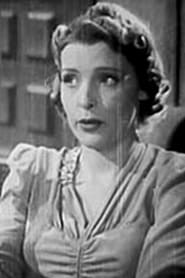 Florence Wright
Blonde Secretary
-
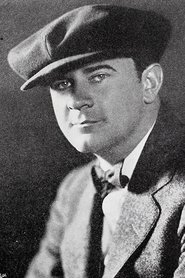 Eddie Gribbon
Tomanian Storm Trooper
-
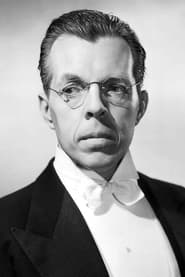 Rudolph Anders
Tomanian Commandant at Osterlich / Robert O. Davis
-
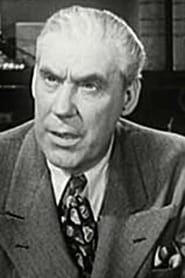 Eddie Dunn
Whitewashed Storm Trooper
- Nita Pike Secretary
Crew
- Director
- Charlie Chaplin
- Director of Photography
- Karl Struss
- Director of Photography
- Roland Totheroh
- Editor
- Willard Nico
- Original Music Composer
- Charlie Chaplin
- Original Music Composer
- Meredith Willson
- Producer
- Charlie Chaplin
- Screenplay
- Charlie Chaplin
Details
- Budget
- $2,000,000
- Revenue
- $11,000,000
- IMDb
- tt0032553
- TMDB
- 914
Keywords
Videos
Reviews
userloser · ★ 10 · 2026-05-20
Forever great, forever relevant as dictators and dictator-wannabes do their best to deprive the humans of their humanity.
wizzardss · ★ 8 · 2021-02-18
In September 1939, six days after Britain declared war on Nazi Germany, Charlie Chaplin began filming his next feature. Drawing on the public perception of the similarities between himself and Adolf Hitler - not just his toothbrush moustache but also their upbringings - Chaplin sought to directly parody and attack the German führer and fascism. In _The Great Dictator_, Adenoid Hynkel (Chaplin) rules Tomania and sets about his conquest of the world. In doing so, he persecutes Jewish people, including a former veteran of World War I who is now a barber (also Chaplin). Unsurprisingly, the film was a hit on release, resonating well with the anti-Nazi sentiment in both American and British public. Chaplin understood that delivering his political message was so important that he forewent his usual desire for a silent film in order to get his message across. Sound is used to great effect in _The Great Dictator_. By studying many of Hitler's speeches, Chaplin was able to create a ludicrous, yet believable, gibberish parody of the Nazi leader's oratory style. Of course, the physical comedy remains, typically reserved for the barber (who may or may not be Chaplin's silent hero, The Tramp). This combination of physical comedy and irreverent one liners together makes the film feel like a very early Carry On. While _The Great Dictator_ remains arguably Chaplin's best "talkie", it often feels like it is the end of Chaplin's era of classical pantomime. People being hit on the head with a saucepan comes across as a cheap laugh and it is often the verbal jokes that are the cleverest. Overall the comedy has not aged well. But _The Great Dictator_ was never designed for longevity. It was perfect propaganda for the Allies, released at a perfect point in the War. For that reason, The Great Dictator can only be judged in the context of its release.
Similar movies
-
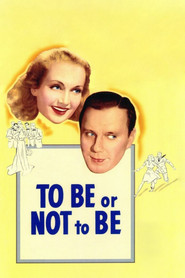 To Be or Not to Be
(1942)
-
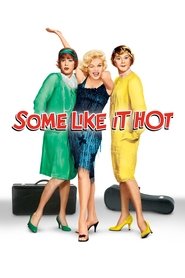 Some Like It Hot
(1959)
-
 Code Name Lucy: Spies Against Nazis
-
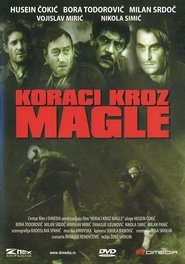 Steps Through the Mist
(1967)
-
 Jarhead
(2005)
-
 Three Colors: White
(1994)
-
 O Brother, Where Art Thou?
(2000)
-
 All Quiet on the Western Front
(1930)
-
 Interrupted Song
(1960)
-
 Brazil
(1985)
-
 Arsenic and Old Lace
(1944)
-
 D'Unbelievables D'Telly
(1998)